


Quick Takeaways of the post:
You can retrofit double glazing into existing frames
Sometimes, full window replacement is a better option
Your choice of frame will have a significant impact
Most units can also be triple-glazed
Modern sash windows combine an authentic appearance and modern convenience
If you have traditional sash windows, you’ll know that while undeniably charming and aesthetically pleasing, older models just cannot cope with the rigours of modern living.
Most traditional sash windows offer poor insulation, low energy efficiency, and require significant maintenance.
So, do you replace them entirely, or retrofit improved glazing?
We’re here to help you make that choice.
We’ve written a few blogs on sliding sash windows, from how to clean them to the classic charm of timber sliding sash windows, not to mention supplying and fitting high-quality sash and casement windows to much of the North West for over 25 years.
As such, we’re ideally placed to take you through the pros and cons of retrofit vs a full sash window replacement, to help you choose the most appropriate option for your home and lifestyle. So, without further ado, let’s get started.
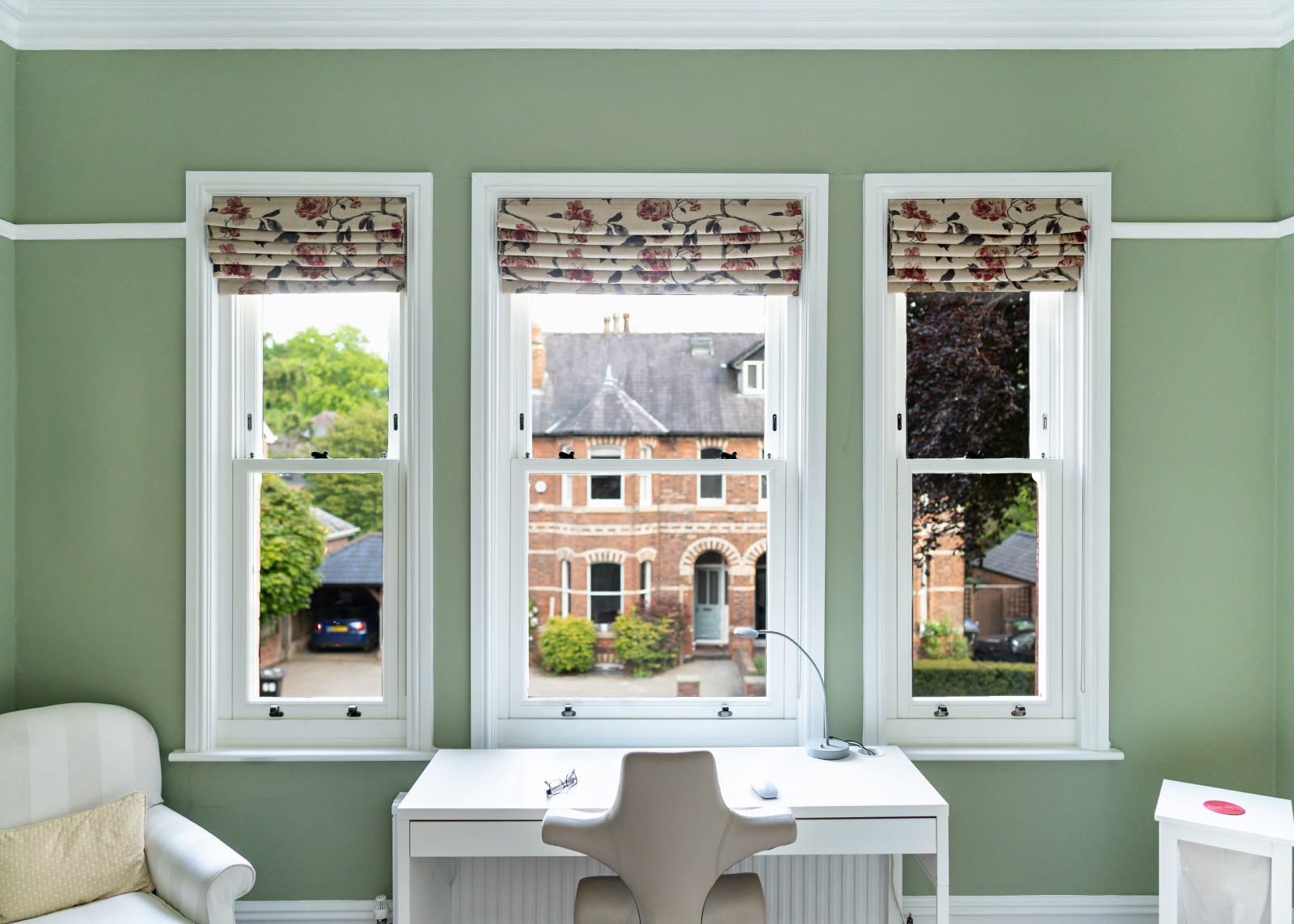
Why Replace Sash Windows with Double Glazing?
In a nutshell, double glazing is on average around 12x as energy efficient as single-glazing.
Original sash windows will almost certainly be single-glazed. But single-glazing really isn’t suitable for any living space these days. Here are just a few reasons you should upgrade to double glazing:
- Single-glazing allows heat to escape from your windows, creating draughts, a high energy bill and a high carbon footprint. They are prone to internal condensation, which can lead to mould and mildew – linked to poor physical and mental health
- While single-glazing isn’t illegal in the UK, it doesn’t meet the latest building regulations regarding energy efficiency standards for windows.
- All new builds in the UK must have at least double-glazing. Triple-glazing or thermal glazing are other options.
- UK landlords are also subject to minimum energy efficiency standards, which often require them to replace single-glazed windows.
- So, if you wish to sell your home, single-glazing could dissuade potential buyers who will be aware of the high bills and the anticipated need to replace them in a few years. Likewise, if you want to rent out your property, your property may be ineligible without a glazing upgrade.
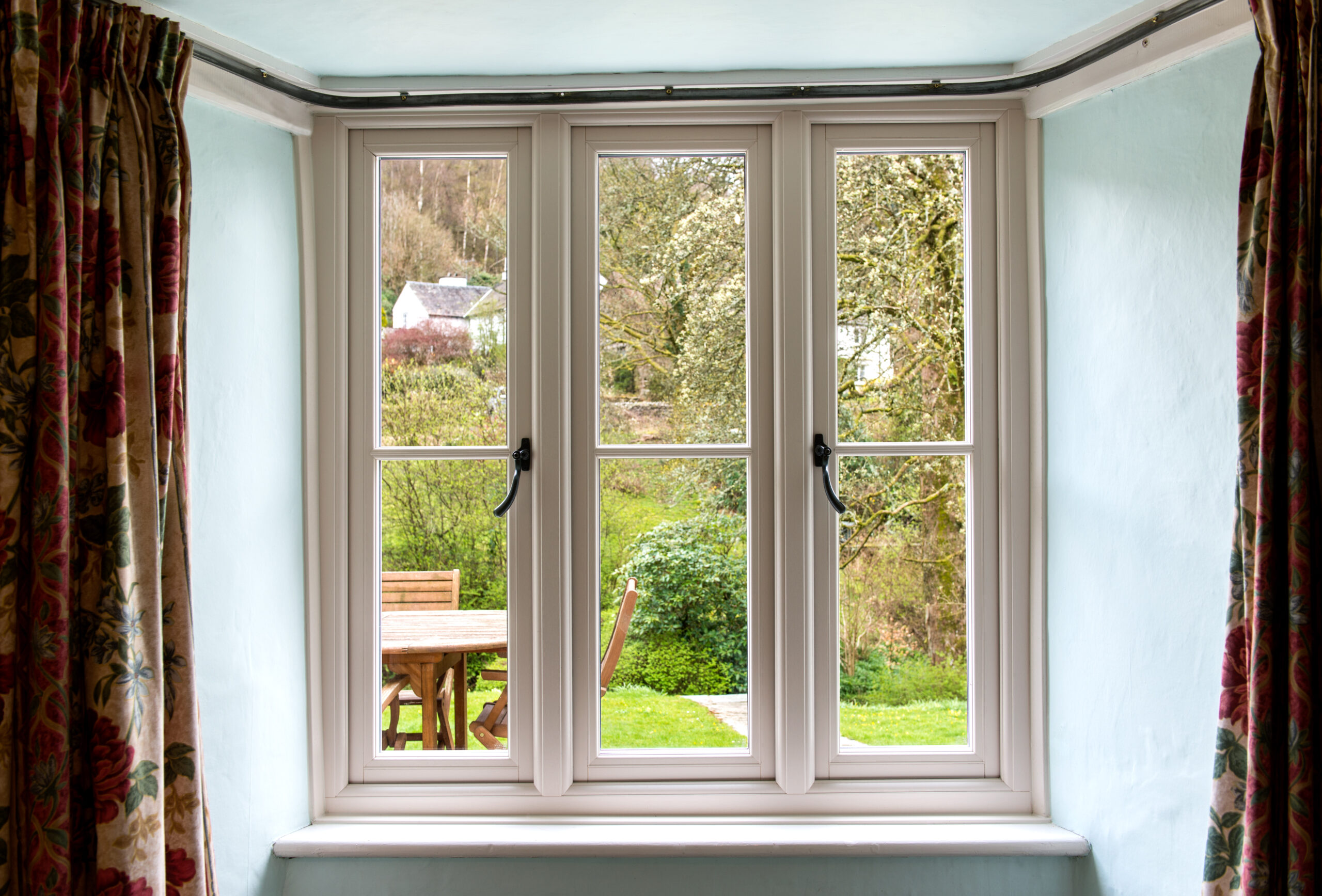

Retrofit vs Full Replacement: Pros & Cons
We’ve established you should replace single-glazing with at least double-glazing, but does that mean a full window replacement?
Well, there are pros and cons associated with a retrofit vs full window replacement, outlined in the table below:
Factor | Retrofit (Double-Glazing) | Full Sash Window Replacement |
Appearance | Retains original frame and aesthetic (ideal for heritage homes) | Can replicate original look, but may slightly alter appearance depending on material |
Planning Permission | Often does not require permission (if no external frame changes) | May require approval in conservation/listed properties |
Thermal Performance | Moderate improvement — better than single glazing, but not as efficient as new window systems | Excellent U-values and insulation (especially with triple glazing & modern seals) |
Cost | Lower cost; typically £400–£700 per window (depending on spec) | Higher upfront cost; £800–£1,500+ per window depending on material and spec |
Disruption | Minimal — keeps internal/external finishes intact | More disruptive — full removal and potential plaster/finish work |
Longevity | 10–15 years depending on workmanship and timber condition | 20–30+ years for quality uPVC, engineered timber, or aluminium |
Energy Efficiency | Good improvement, particularly with draught-proofing | Superior insulation and soundproofing |
Eco Impact | Lower environmental impact — reuses original materials but likely a higher carbon footprint over time | Higher carbon footprint initially due to manufacturing and disposal but lower emissions over time |
Security | Old window frame and locks are likely to be less secure | A new window will have a stronger frame and locks that meet new British security standards |
Property value | May increase property value slightly | Could significantly boost the property value |
Maintenance | You will still need to maintain and repair a traditional timber frame | Modern sash windows typically require less maintenance |
Functionality | Replacing the glass won’t solve any issues with old sashes sticking | Contemporary sash windows open and close smoothly and safely |
Which option is best for you depends on several factors:
- Whether your frames are damaged
- The look you want to achieve/retain
- Your requirements and priorities
- Your budget
- Your location, particularly if in a listed building or conservation area
Frame Material Considerations
One of the main drawbacks of traditional timber sash windows is that they tend to be vulnerable to the elements. Original sash windows may have water damage and warping. They may get stuck as the wet wood expands in the frame or cause draughts due to the lack of energy-efficient glazing and potential gaps in the frame.
If you want to preserve the look of your sliding sash windows, there are several authentic-looking alternatives to traditional timber.
First, let’s look at the woods.
We offer timber sash windows constructed from Meranti, Sapele or Accoya. These three kinds of wood are more durable than the timber used in original sliding sash windows and have been treated to be weather-resistant. Made from sustainably sourced wood, they can replicate original sliding sash windows while removing the issues associated with them.
An eco-friendly choice, our timber windows are ethically-manufactured and energy efficient, helping reduce your carbon footprint and heating bills.
While more expensive than our other options, Accoya comes with a 50-year warranty.
uPVC
Another option is to choose uPVC windows.
Energy-efficient, requiring little to no maintenance and no repainting, uPVC windows offer homeowners the sash windows they want with none of the hassle associated with traditional timber.
We offer different ranges at different price points:
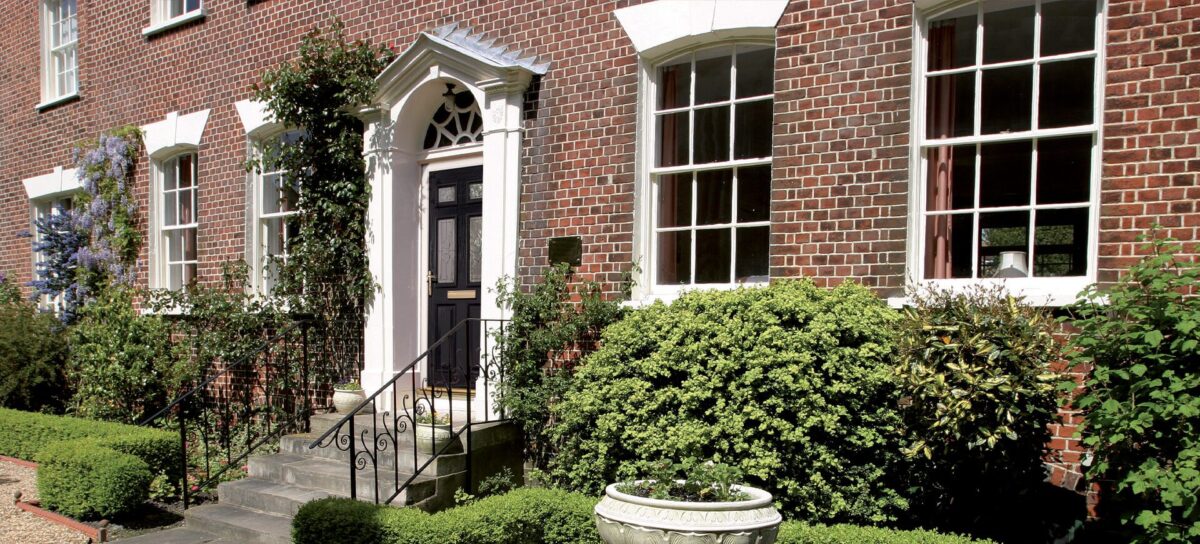
The Classic
As the name suggests, this is our base-level Classic uPVC sash window. Simple but effective, these versatile sash windows are designed to suit any property and offer exceptional value for money.

Mid-Range
The next price point up, our Mid-Range sash windows offer a higher level of authentic design, with options including Astragal, Georgian bars, and run-through sash horns.
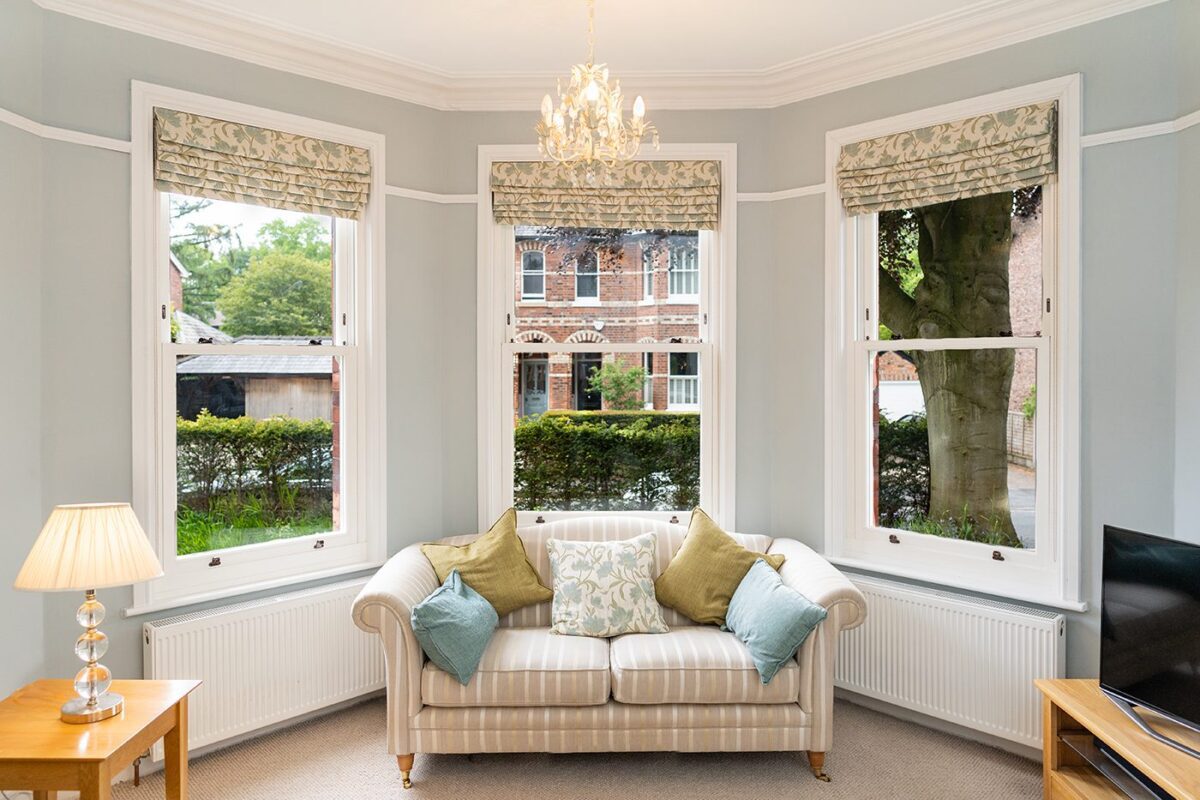
The Heritage
Our most authentic, high-end uPVC sash windows, the Heritage, can be sprayed with any RAL colour and are available in several foiled finishes such as golden oak, chalk white, rosewood, and cream woodgrain.
Glazing Choices
The three main choices for glazing in a sash window are:
- Double glazing
- Triple glazing
- Secondary glazing
The pros and cons of each are outlined in the table below:
Type of Glazing | Pros | Cons |
Double-Glazing | Significantly better insulation, acoustic performance and energy efficiency than single-glazing | Requires professional installation, more expensive than secondary-glazing |
Triple-Glazing | Slightly better insulation, acoustic performance and energy efficiency than double-glazing | Most costly, benefits over double glazing may not equal price disparity |
Secondary-Glazing | Affordable, easy and quick to install, suitable for rented properties | Short-term solution, less effective, can look ugly if improperly applied |
There are also types of glass developed specifically to solve issues in the home.
If noise pollution is a problem, you could try acoustic glass, while obscure glass will increase your privacy level. Self-cleaning glass is excellent for windows in hard-to-reach locations, and traditional leaded glass can enhance the period charm of traditional sash windows.
Traditional appearance, modern convenience
Modern sliding sash windows combine the charm and curb appeal of their predecessors, with several extra benefits.
A-rated for energy efficiency, our sash windows eliminate draughts while allowing for lots of light and ventilation.
You may think that contemporary sash windows would stick out like a sore thumb in a period property. Surely you can tell the difference, even at a distance?
But that’s not the case.
They look authentic, even close up and do not clash with a historic aesthetic.
UPVC sash windows such as ours have even been approved for period properties, in conservation areas, and in listed buildings.
Traditional sliding sash windows could be difficult to open. Our spiral balance system means our sash windows slide open and close smoothly and soundlessly.
This design is also slimline, creating more room for larger panes of glass. They are available in double or triple glazing, with other options including integral blinds.
Many of our sash windows tilt, allowing even easier cleaning, and the modern design includes state-of-the-art security options, including toughened glass.
Last but by no means least, you can customise Manchester Window Factory’s sash windows to your specifications.
Type of Glazing | Pros | Cons |
Double-Glazing | Significantly better insulation, acoustic performance and energy efficiency than single-glazing | Requires professional installation, more expensive than secondary-glazing |
Triple-Glazing | Slightly better insulation, acoustic performance and energy efficiency than double-glazing | Most costly, benefits over double glazing may not equal price disparity |
Secondary-Glazing | Affordable, easy and quick to install, suitable for rented properties | Short-term solution, less effective, can look ugly if improperly applied |
There are also types of glass developed specifically to solve issues in the home.
If noise pollution is a problem, you could try acoustic glass, while obscure glass will increase your privacy level. Self-cleaning glass is excellent for windows in hard-to-reach locations, and traditional leaded glass can enhance the period charm of traditional sash windows.
Fully bespoke builds
We want you to design your home exactly as you want it. An approximation with generic windows and doors simply isn’t good enough for us.
That’s why we offer a fully customisable service. That’s right, our expert designers and glazers will work with you to create the sash windows you crave.
From the shape and size to the configuration, glazing options and frame, every aspect of the window is customisable for a bespoke product.
Decorative glass, Georgian bars, foil finishes, and RAL colours are just some of the options available to you.
You can even add the finishing touches with your choice from a wide selection of hardware.

Conclusion
If you can restore your original sash windows to their former glory (with added benefits) by retrofitting double-glazing, we recommend doing so. Our CERTASS-accredited fitters are experts at installing double glazing, so providing your frame is thick enough to support the glass, we’re happy to go ahead. However, in some cases, a full sash window replacement is necessary. We can do that too. If you would like to talk through your options with one of our friendly team members, please don’t hesitate to get in touch.
How to Get in Touch
To request a free brochure, you can call us on 0161 976 4739, use our contact form or chat with us via the chat button at the bottom right of this website. If you live locally, you can also visit our Altrincham showroom, and check our contacts page for up-to-date opening hours.
We look forward to hearing from you!
FAQs
You may need planning permission to replace the full window, depending on the specific rules of your area. You will likely need to show that the replacement is sympathetic to the original period, in terms of appearance and materials.
There are many benefits to choosing a UPVC replacement sash window – chiefly their affordability and the lack of maintenance they require. However, some customers prefer to stick with a wooden replacement for authenticity and natural beauty. The choice is yours.
It takes, on average, a few hours to a full day to replace a sash window. The time depends on:
- The size
- The complexity of the design
- If there is any damage to the existing frame, it will slow down the removal
- The access to the window
Our UPVC and timber sash windows come with a minimum 10-year insurance-backed guarantee as standard, but they can last three or even five times that, depending on the frame material and the quality of the installation.
Yes, modern sash windows are built with airtight seals to prevent draughts from getting in and warm air from escaping.
The main differences between sash and casement windows are in how they look and how they work.
Sash windows operate by panels sliding over each other.
Casement windows operate like doors, opening and closing on hinges attached to their frames.
Both types offer advantages and disadvantages, so it depends on what you prefer and which style suits your home and practical requirements.
Yes, on average, a mock sash window costs between £400 and £800 per window. This price does not include installation and depends on the size, complexity of design, glazing and other factors.
Mock sash windows also last longer, further saving you money in the long term.
When budgeting for any home improvements, you should consider all the costs involved – the units, the installation and maintenance.
Many of our units require very little maintenance and include a 10-year insurance-backed guarantee, so you can rest assured there’ll be no hidden costs.