


Quick Takeaways of the post:
There are many styles of bay windows
Installing a bay window may require planning permission
They maximise light, space, views, and ventilation
You can ‘dress’ them for different functions
Manchester Window Factory provides/installs bespoke bay windows to suit every taste
Bay windows are an architectural feature that offer many benefits, including maximising natural light, adding character, improving ventilation, creating space, enhancing views, and potentially boosting your property value.
It is no wonder then, that they have been popular in UK homes since their introduction in the late 15th century.
But is a bay window right for your home? And how do you choose the best style?
Don’t worry, we’ve been providing and installing bay windows across the North West of England for 25+ years. We know our stuff, and we’re willing to share our wisdom with you.
In this guide, we will outline what bay windows are, how they look, and the pros and cons. Plus, we’ll run through bay window costs in the UK.
A Brief History of Bay Windows
First introduced in the UK in the late 15th century, bay windows were part of the English Renaissance and were largely limited to Gothic churches and grand houses.
At this time, bay windows were in the oriel style, on upper floors.
However, during the Victorian era, bay windows experienced a surge in popularity, with different styles featuring prominently in the upper and lower parts of villas and terraced houses.
One of the reasons for this increase in uptake was the 1800s relaxation of building regulations, permitting windows to protrude from exterior walls.
Today, bay windows remain a popular feature in period and modern homes.
What Do Bay Windows Look Like?
A bay window is any window that protrudes from an exterior wall. Traditionally, they have a central large sash and two smaller sashes on either side.
Bay windows can be constructed from UPVC, timber, or aluminium and can be designed to suit a wide variety of aesthetics .
As with casement and sliding sash windows, you can choose from a large selection of colours, finishes, and window furniture to achieve your ideal look.
We also offer a range of glazing options, including Planitherm thermal glass and acoustic glass, designed for modern living.


Styles & Shapes of Bay Windows
There are a few different styles of bay windows, each with their own aesthetic. The most common are:
Box
A box bay window has a rectangular shape with one wider central window, and two smaller windows at 90 degrees to create the ‘box’ shape. This gives you a box shape inside the room, which some homeowners find easier to use for storage, etc.

Bow
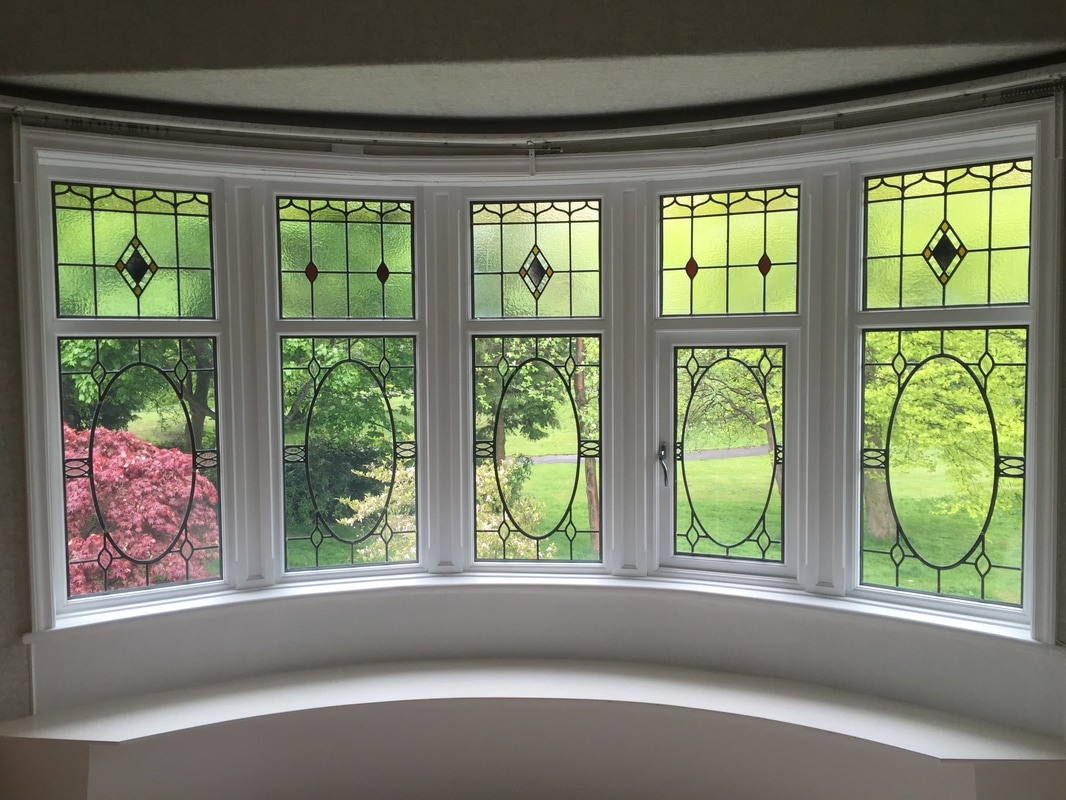
The bow bay window features four or more windows, curving around on the interior and exterior of the property. This shape is ideal for maximising natural light.
Canted
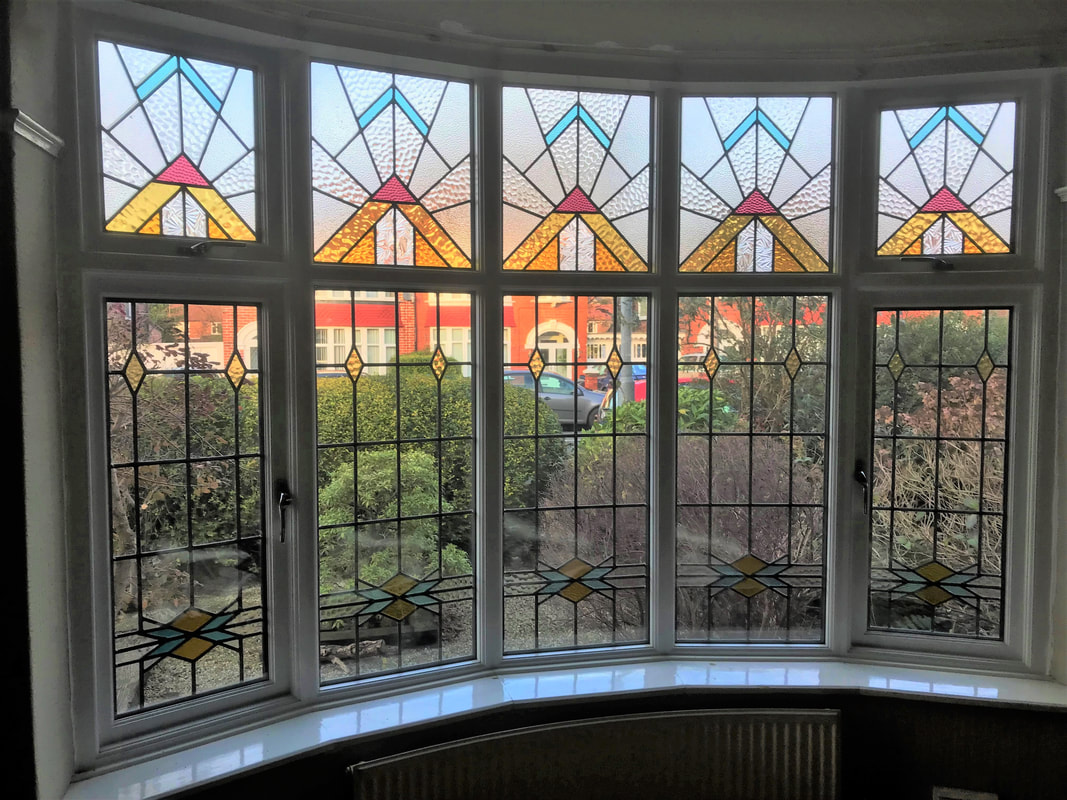
The traditional style of bay window is the ‘canted’ design. Popular in Victorian and Edwardian UK homes, it features a large central window and smaller windows on either side, set at a 30 or 45-degree angle. This ensures the bay projects beyond the front exterior to make a statement.
Circle
The circle bay window is similar to the bow, but larger and with a smoother curve. They are popular in master bedrooms in stately homes and are used today for larger living rooms and bedroom suites.
Oriel
The oriel bay window can be box, bow, or curved, but is located somewhere other than the ground floor. Suitable for homes and hotels that want to showcase impressive views from upper floors, they are typically supported by corbels or brackets.

Pros & Cons of Bay Windows
There are many benefits to introducing a bay window into your home or upgrading your existing bay windows. However, there are also some potential drawbacks, outlined below.
Aspect | Pros | Cons |
Natural Light | Maximises daylight due to wide angle and multiple panels | May increase glare and summer heat gain without proper glazing |
Aesthetic Appeal | Adds architectural interest and elegance to both period and modern homes | May not suit every modern architectural style |
Interior Space | Creates window seats, storage, or extra floor space | Takes up external wall space; may limit exterior landscaping |
Ventilation | Can enhance cross-ventilation with multiple openers | More panes may mean more cleaning and draught points if poorly fitted |
Property Value | Often increases curb appeal and resale value | High installation cost if adding a bay extension to existing wall |
Privacy | Flexible placement of blinds/shutters for privacy | Protrusion from façade may reduce external privacy from street |
Installation Cost | Can be a long-term investment with aesthetic and functional returns | More expensive than flat windows due to structure and materials |
Structural Complexity | Opens up views across the outside space | May require structural support; not all walls suitable |
Energy Efficiency | Can improve airflow and reduce reliance on artificial lighting | Poorly glazed units may lead to draughts or heat loss |
Furnishing & Dressing | Wide variety of dressing options (shutters, curved poles, blinds) | Requires bespoke dressing and window treatments |
However, you need to weigh the initial outlay against the savings on your energy bills and the peace of mind of increased security.
Why Choose Bay Windows?
As mentioned, the original purpose of bay windows was to showcase stunning views, often in master bedrooms but also living and dining areas.
Today, they also flood your home with beautiful natural light, increase your ventilation without causing draughts and create discreet storage space in your home.
Modern bay windows are energy efficient and possess huge curb appeal, potentially increasing the value of your property.
Choosing Shutters, Blinds, or Curtains
One of the few downsides of traditional bay windows is that such large expanses of glass protruding away from the house did not allow for much privacy.
However, there are several options for dressing your bay windows for comfort, privacy, and personal taste.
- Curtains – can be thick for warmth and luxury or sheer to allow lots of light
- Blinds – allow you to control the light coming in, but can be inconvenient or dangerous for children and require regular cleaning
- Integral blinds – offer the advantages of blinds with the convenience of being incorporated into the glass
- Shutters – can filter light or block it completely, and have a more rustic appearance than blinds. You can also try half-height shutters
The placement of your bay window will affect which you choose, as will your main priorities.
Inspiration Gallery
One of the most popular internal designs for bay windows is to combine a window seat with discreet storage.
You can enhance the drama of the space with long velvet curtains or keep things light and bright with blinds or shutters.
A roller blind is a simple and inexpensive solution to privacy concerns.
You can also use plants to create an inside-outside vibe, with the added benefits of minimising condensation.
You can find inspiration on Pinterest or YouTube, such as these videos we’ve cherry-picked for you.
Summary
Bay windows can be a fantastic addition to any period or contemporary home, offering natural light, better views, improved ventilation, and enhancing your home’s aesthetic. They are a large investment, so make sure you are certain you have chosen the best style for you, have checked planning permissions, and know how to get the best out of your bay windows.
Can Manchester Window Factory Help?
Absolutely, not only can our friendly team help you choose the best bay window based on your taste, budget, and requirements, but our installation experts will also ensure a perfect fit and issue a certificate of building regulations compliance.
We can assist you in finding heritage matches, offer planning support, and create bespoke designs as unique as you are.
If you want to find out more, please don’t hesitate to get in touch!
How to Get in Touch
To request a free brochure, you can call us on 0161 976 4739, use our contact form or chat with us via the chat button at the bottom right of this website. If you live locally, you can also visit our Altrincham showroom, and check our contacts page for up-to-date opening hours.
We look forward to hearing from you!
FAQs
You typically do not need planning permission to replace an existing bay window with a newer model. Providing you are not drastically changing the shape, size, appearance, or materials used, a bay window replacement will likely fall under permitted development rights.
However, a new bay window may require planning permission. Because they protrude from the wall, bay windows are treated as an extension, and the usual rules apply. Adding a bay window to the side or back of your property may not require planning permission. Incorporating a bay window in the front of your house, however, will likely require planning permission. If you live in a conservation area or a listed building, always consult your local authority before planning any significant work.
The average cost of a bay window in the UK is between £1,000 to £8,000, including materials and installation. This vast difference in prices reflects the size, shape, complexity of the design, access, and your location in the UK, which can significantly alter the cost of labour.
Which style of bay windows will suit your home depends on the period it is from and the existing architecture. For example, Victorian, Georgian, and Edwardian homes look great with Victorian bay windows or sash bay windows. You can also try bow windows, canted bay windows, or oriel bay windows, which work best with Renaissance or medieval aesthetics.
While traditional bay windows had a tendency to be draughty, modern bay windows can be highly energy efficient. As with most windows, how energy efficient a bay window is depends on the glazing – double, triple, or thermal is best – airtight seals which are now standard, and the material of the frame, such as timber, UPVC, or aluminium.
The average installation time for a bay is half a day to a full day. It can take as little as a couple of hours to install a bay window into a new build, but significantly longer to replace an old bay window.
Factors that affect the timespan include:
- The size of the window
- How many windows are being fitted or replaced
- Accessibility
- Whether the frame is damaged (if replacing)
Yes, bay windows can be retrofitted into a modern home, provided the design and structure are compatible. Installing a bay window requires cutting into an existing wall, which must be reinforced if the house is to maintain its structural integrity.