


Table of Contents
Quick Takeaways of the post:
Start with your needs (energy, noise, security, and privacy); then select the glass that addresses them (e.g., Low-E for heat loss reduction, laminated for security/noise reduction, or solar control for reducing south-facing glare).
Combination units are typical (e.g., Low-E + laminated + argon in double/triple units) to balance comfort and safety.
Decorative/patterned ranges provide privacy without losing daylight—ideal for bathrooms and doors.
Manchester Window Factory offers a wide range of glazing to suit your needs and specifications.
There are three components to consider when buying new windows: the frame, the glass, and the furniture.
We have previously compared different types of windows and frame materials. Today, we are looking at glazing options, what each brings to the table, and how to choose the right glass for your windows.
Which is the most popular glass type
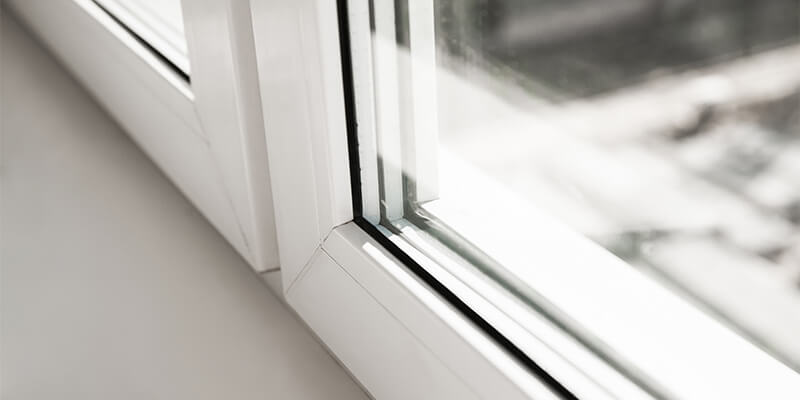
The most popular types of glass for UK homeowners are Low-e and double glazing, typically incorporating argon. A-rated double-glazed windows are the baseline for UK homes. However, those with noise pollution issues could benefit from acoustic glass or triple glazing.
Safety glass, typically laminated or toughened, can be used in doors and ground-floor windows where safety and security are paramount.
Which glass is best for home windows
Different types of window glass are best for different issues:
- For a cold front room, you should opt for Low-E Planitherm glazing.
- Busy city centre traffic, or trains and planes, can be successfully muted to a manageable decibel by installing laminated acoustic windows.
- A South-facing bay window requires solar control or integrated blinds to prevent harmful UV rays from penetrating while allowing natural light to flow.
Always measure the return on investment in terms of decreasing energy bills, lower insurance premiums, and potential property value compared to the initial cost.

Different Types of Patterned Glass:
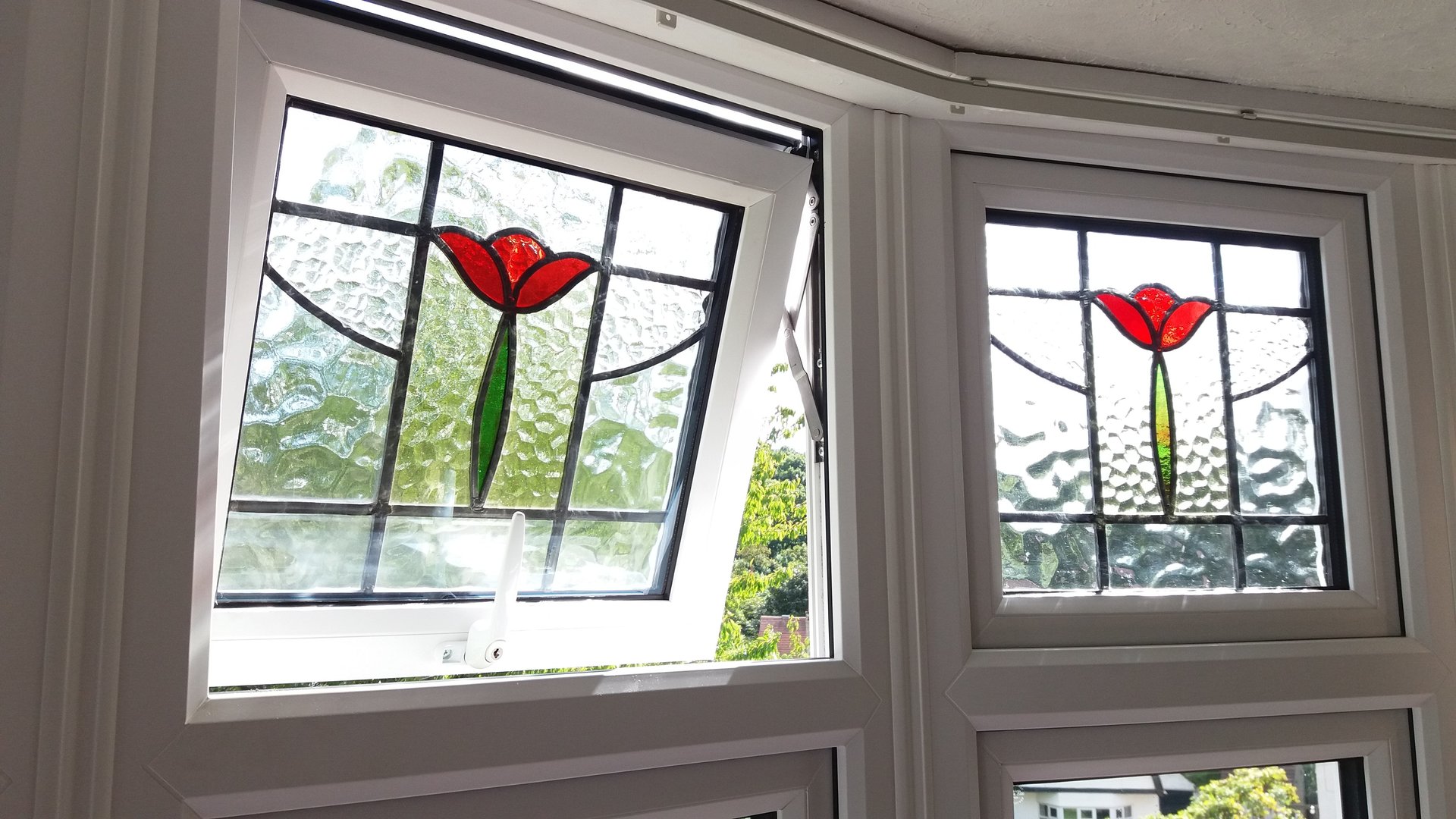
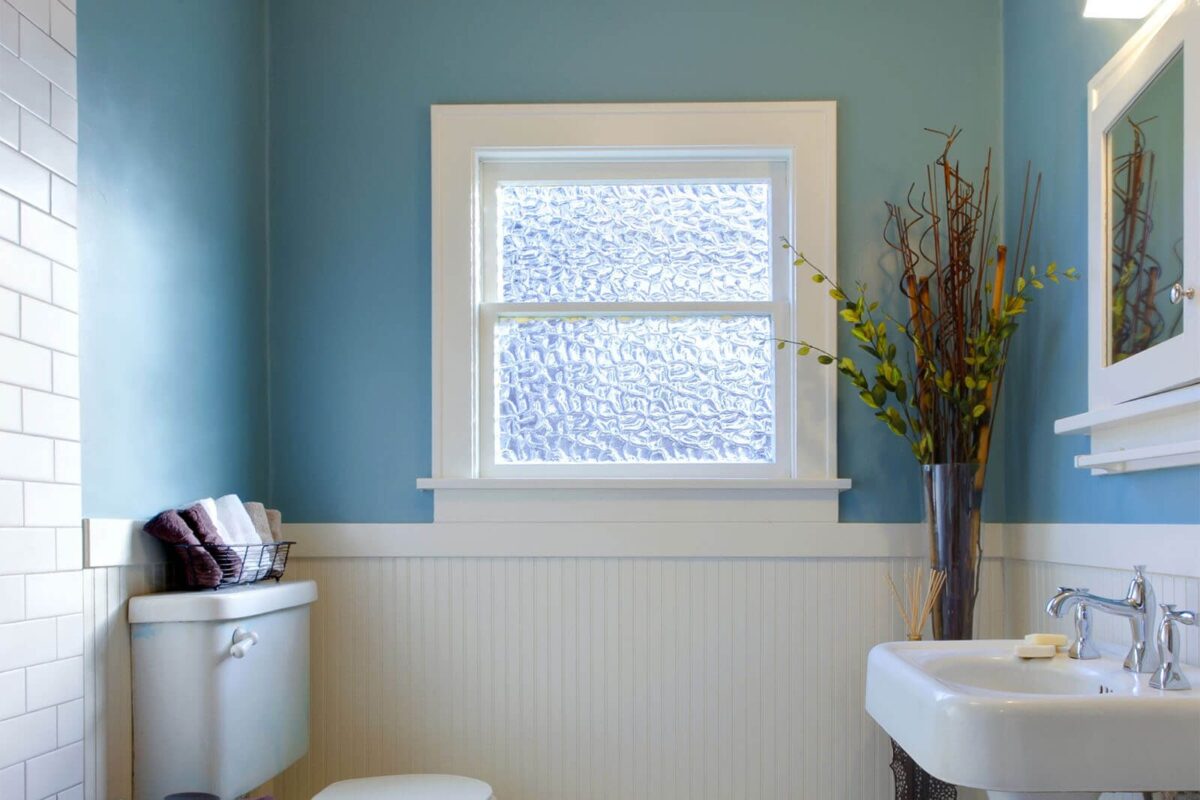
Patterned glass runs the spectrum from slightly tinted to almost opaque. Choose your preferred level of light diffusion and privacy. There are many popular patterns, such as Cotswold, Minster, and Stippolyte, featuring everything from geometric lines to floral designs. Patterned glass, also called obscure glass, can be used to increase privacy or as a decorative feature in bathrooms, home offices, and front doors.
The main glass options explained:
- Low-E (energy efficiency): Great for North-facing rooms that may not get enough natural light and warmth, high U-value.
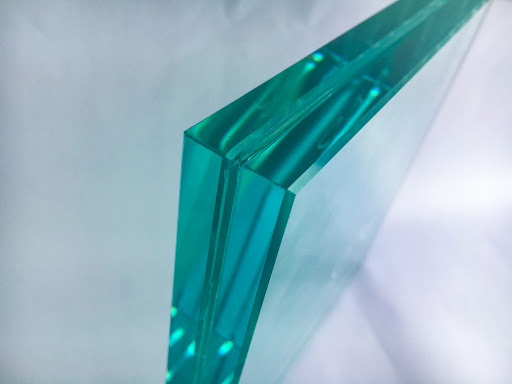
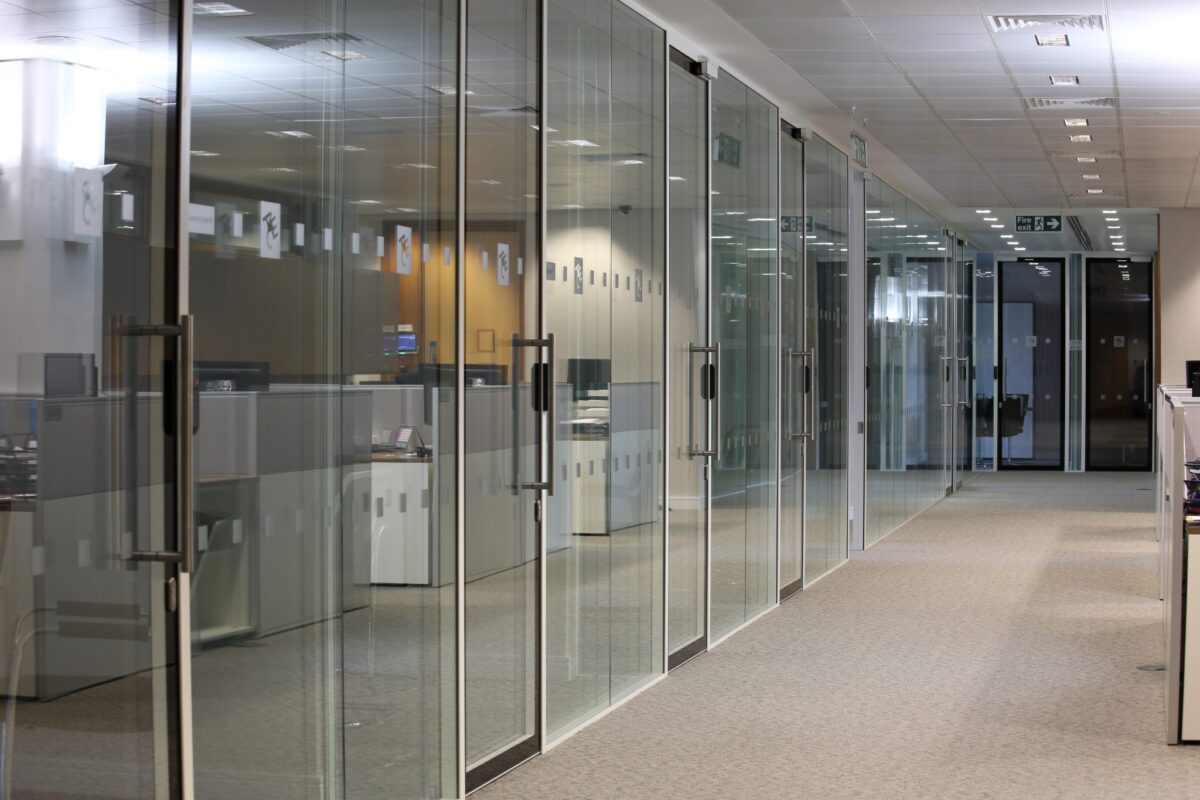
- Laminated (security & noise): two panes with an interlayer; resists penetration; stays in the frame of cracked. Improves Rw (decibel reduction).
- Toughened (safety): heat-treated to break safely with no sharp edges; required in critical zones.
- Acoustic: thicker/laminated make-up to dampen traffic/aircraft noise.
- Solar control: reduces heat/glare in sunny exposures without blocking natural light.
- Low-iron (clarity): Extra-clear glass to showcase spectacular views and create feature glazing.
- Self-cleaning: The photocatalytic/hydrophilic coating enables easier maintenance with faster, less frequent cleaning.
- Obscure/patterned: choose your preferred privacy level without a heavy tint.
Pros/cons of each glass type
Customer Need | Our Recommendations | How It Works | Best Suited |
Protect furnishings from sun scorching / fade | Solar control glass (low g-value), optionally combined with Low-E | Special coating reduces solar gain and UV transmission, limiting heat build-up and fading | South-/west-facing lounges, bays, conservatories |
Energy efficiency for cold rooms | Low-E double glazing with argon (or triple in exposed settings) | Low-emissivity coating reflects heat back indoors; inert gas improves insulation (lower U-value) | North-facing rooms, older terraces, draughty spaces |
Noise reduction (traffic/flight paths) | Laminated acoustic build (e.g., 6.8/16/4 or mixed thickness) | Interlayer + pane thickness disrupts sound waves, improving Rw/STC | Homes on busy roads, near rail or airports |
Extra security / impact resistance | Laminated inner pane (can combine with Low-E) | PVB interlayer holds shards together; resists forced entry | Ground-floor windows, side windows, doors |
Low maintenance (hard-to-reach panes) | Self-cleaning outer pane | Photocatalytic/hydrophilic coating breaks down dirt; rain sheets water off to reduce streaks | Dormers, conservatories, upper floors |
Privacy without losing daylight | Obscure/patterned glass (e.g., Cotswold, Minster, Stippolyte) | Textured surface diffuses views while maintaining light transmission | Bathrooms, entrances, stairwells |
Crystal-clear views / colour-true glazing | Low-iron glass (optionally with Low-E) | Reduced iron content removes green tint for higher clarity | Picture windows, view glazing, feature panes |
Reduce summer overheating & glare | Solar control (neutral tint) or selective coatings | Filters near-IR heat and glare while keeping natural light | South-facing bays, garden rooms, lofts |
Safety in critical locations | Toughened safety glass (or laminated) | Heat-treated for strength; breaks into small, less-injurious granules | Doors, low-level glazing, bathrooms (per regs) |
Budget-friendly efficiency baseline | Standard double glazing with soft-coat Low-E | Cost-effective thermal upgrade vs single glazing | Whole-house refits on a budget |
Room-by-room recommendations
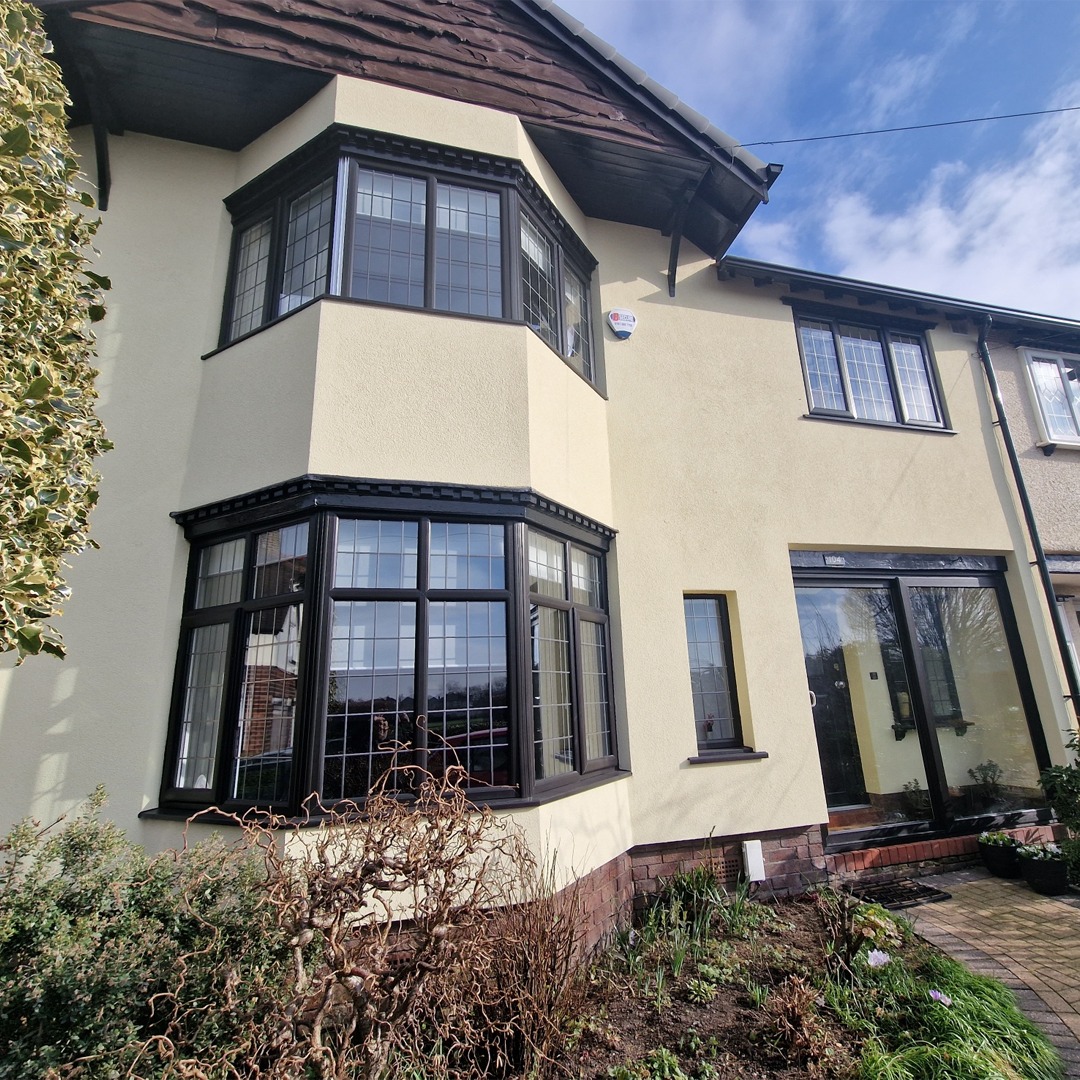
Always consider the primary function of the room when choosing glass windows. For example, an upstairs bathroom will likely include an obscure glass window, but a downstairs bathroom will also need to be toughened. Windows in attics or sky lights may need to be self-cleaning if access is an issue. A terraced house in a busy city may require laminated acoustic windows at the front and a south-facing bay window would benefit from solar control.

Energy, noise & security basics
High-quality A-C rated windows will have a series of letters or a coloured sticker denoting light transmittance and heat retention. Here’s a quick guide:
- U-value – the heat transference/insulation performance, a low U-value = high performance.
- G-value – the amount of heat coming into the room, the solar gain.
- L-value – how airtight your windows are – a low L-value = high performance
- Rw/STC – The Rw is the level a window reduces the penetration of external noise.
You typically don’t need planning permission to replace a window, but you must always adhere to the latest building regulations regarding safety glazing, ventilation, and fire escape safety.
Always look for a PAS-24 label on windows and doors as this indicates that the unit and parts have been rigorously tested for security.
Summary
The different types of window glass offer unique benefits which will suit specific rooms and requirements. Select the windows for each space carefully, remembering that a combination of features may offer the best results.
Conclusion
Remember, choosing which type of glass is simple when you rank your requirements and compare solutions against your budget.
If you have identified your glass needs and would like to take the next step you can get in touch using your preferred method and we’ll get back to you as soon as we can.
Alternatively, fill in our online contact form for a free, no-obligation glass-spec check.
We look forward to hearing from you!
How Can Manchester Window Factory Help?
Manchester Window Factory works with UK-leading manufacturers to provide the best casement and sliding sash windows to customers across the North West and beyond. From fitting standard double glazed flush and stormproof windows to installing obscure glass and bespoke leaded glass designs, we have got you covered.
We’ll give you room by room quotes and provide finish and pattern swatches to help you choose the best fit for your home and lifestyle.
We are CERTASS-certified to issue the proof that your windows meet building regulations, so there’s no need for a third-party inspection.
How to Get in Touch
To request a free brochure, you can call us on 0161 976 4739, use our contact form or chat with us via the chat button at the bottom right of this website. If you live locally, you can also visit our Altrincham showroom, and check our contacts page for up-to-date opening hours.
We look forward to hearing from you!
FAQs
There are windows that claim to be ‘virtually unbreakable,’ but glass is a breakable material. It can be laminated to remain in the frame when cracked, or toughened to ensure it breaks into smooth pieces rather than shards.
Noise control glass is also called acoustic glass and does what it says, using laminated or mixed-thickness panes of glass to disrupt sound waves and control the level of noise penetration.
Self-cleaning glass features a photocatalytic/hydrophilic coating that breaks down dirt and sheets water for fewer streaks. It is a great option for hard-to-reach windows and areas with heavy foot traffic, such as those with children and animals.
Glass is the optimal material for windows due to its clarity, durability, affordability, recyclability, and the ease of applying advanced coatings. Modern window glass is toughened for enhanced security while still allowing light to penetrate and providing a clear view of the world outside.
Not necessarily. Triple glazing offers enhanced acoustic and energy performance, but most homes receive a fantastic ROI on double glazing. You can also opt for thermally efficient glass such as Planitherm.
Yes, retrofitting new glass into existing window frames is a common practice. This type of window replacement is faster, cheaper and causes far less disruption than a complete refit. Ensure that the frame can handle the weight of the new glass, such as double or triple glazing.