


Quick Takeaways of the post:
Why patio doors can be a target for burglars
How different styles of patio door stack up
The pros and cons of each door frame material
Why is toughened laminated glass best?
Why you should choose multi-point locking
Patio doors offer stunning views, easy access to your garden or patio area and provide plenty of natural light. Unfortunately, they can also be tempting to burglars.
Typically located at the back or side of your property, patio doors potentially offer a quick and easy, concealed entrance into your home, and a fast exit.
Don’t worry, door experts ensure that the patio doors we supply and install are all PAS-24 approved and fitted securely to prevent break-ins and damage.
In this blog, we explain why patio doors can be a security concern and what you can do to make them more secure. From frames, locks and alarms to the best choice of glazing, we’ve got you covered.
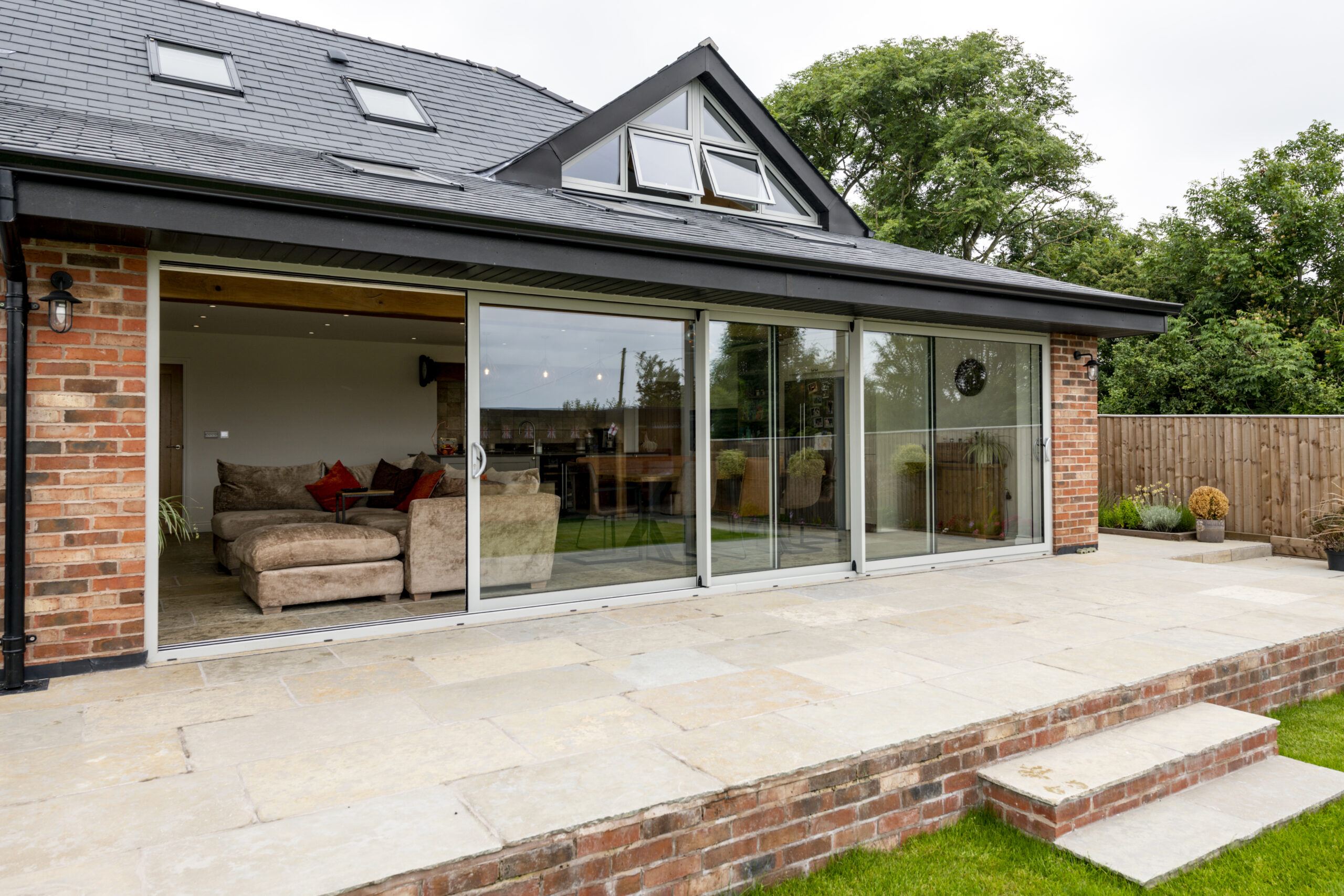
Why Patio Doors Are a Target
In a previous blog, we learned that burglars in the UK most often target doors and windows. Still, patio doors can be particularly appealing to an intruder for the following reasons:
- They may be unlocked – particularly during the day
- The locks may be weaker than other styles of door
- They may be concealed from view from the street
- The large panes of glass are vulnerable to smashing if not laminated
- The glass panels can sometimes be lifted off the tracks
- Sliding patio doors tend to be noiseless, enabling a stealthy entrance and exit
Which Patio Doors are Most Secure?
But some patio doors are more secure than others. Older patio doors may have easy-to-manipulate hatches, single locks, and doors that can be easily removed from their tracks. If the glass is single-glazed or just poor quality, a brick can also be thrown through it, shattering the glass and causing damage as well as giving an intruder a way in.
The most secure patio doors have the following features:
- A strong, impact-resistant frame
- Shatter-resistant glass
- A secondary lock or multi-point locking system
- A door jammer or security bar
But which style of patio door is the most secure? Let’s compare.
French Doors
French doors tend to be the most secure style of patio doors. Strong timber, UPVC or aluminium frames, the hinges and pivots, and individual central lock systems on each door combine to make them tricky to infiltrate.
However, there can still be weak points – such as poor installation, or vulnerabilities in the hinge of sash locks.

Sliding Doors
Sliding doors tend to be the patio door style most at risk of break-in. This is because factory-made locks for sliding doors may not be strong, the glass can be smashed, and the panels can be lifted off the tracks.

Bi-fold Doors
Bi-fold doors are similar to sliding doors, but instead of sliding along a track, they fold concertina style on top of each other to take up less room. Their level of security depends on if they have multi-point locking systems and anti-lift technology.
In all cases, your choice of frame, glazing, and locking system will have a significant impact on how secure your patio doors are. It is also essential that they are properly fitted, to prevent any gaps which could be exploited.

Which is the best door frame material?
The three main door frame materials each have pros and cons when it comes to security, durability and aesthetic, outlined below.
Material | Security | Durability | Aesthetic |
Aluminium | Very strong and resistant to forced entry; often used with multi-point locking systems | Highly durable and weather-resistant; low maintenance | Sleek, modern look; available in various finishes |
uPVC | Affordable and decent security with modern locking; less impact resistant than aluminium | Good weather resistance; can degrade over time in extreme conditions | Clean, neutral look; less premium feel |
Timber | Strong but may weaken over time if not maintained; depends on construction quality | Natural material; requires regular maintenance to prevent rot or warping | Warm, classic appearance; suitable for traditional homes |
Which is the most secure glass?
There are four main choices when it comes to the best glass for secure patio doors, and each has its strengths and weaknesses, outlined in the table below.
Glass Type | Security | Durability | Best Use |
Double-Glazing | Offers decent resistance to break-ins; two layers make forced entry harder than single glazing | Good durability for everyday use; susceptible to strong impact or force | General residential windows and doors |
Triple-Glazing | More secure than double glazing due to added thickness and insulation layers | Very durable; provides enhanced strength and insulation | High-security or energy-efficient homes |
Toughened Safety Glass | Tempered to be stronger than standard glass; shatters into blunt fragments, reducing injury risk | Extremely durable under pressure and heat; ideal for high-risk areas | Glass doors, side panels, and areas needing extra impact resistance |
Laminated Glass | Will not shatter if cracked, remaining in place to stop entry | Not as strong or durable as toughened glass | Public buildings and transport, such as train windows |
Top Security Measures:
There are several security measures you can apply to patio doors, each with benefits and potential drawbacks depending on your specific requirements, as below:
Security Measure | Description |
Patio security bar/Charlie bar/door jam | Simple, effective DIY barriers to prevent door sliding or opening |
Secondary locks (Patlocks, anti-snap cylinders) | Top/bottom locks to reinforce sliding and French doors; protects against forced entry |
Anti-lift screws/tracks | Prevents door panels from being lifted off their tracks |
Shatter-resistant glass or security film | Protects against breakage while maintaining aesthetics; adds UV and impact resistance |
Multi-point locking systems (TS007, PAS24) | High-security locking standards for modern patio doors; hard to bypass |
Security handles and cylinder guards | Prevents common attack methods like lock snapping and drilling |
Sensors, alarms & lighting | Deters intrusions with sound/light alerts; integrates with smart home systems |
Visible deterrents | Cameras, signage, and lighting, that discourage burglars before attempt |
Other things you can do:
- Always lock your doors – almost one third of UK burglaries were through an open door or window
- Use blinds or curtains to protect your privacy
Or invest in internal blinds or obscure glass to stop burglars getting a good look
What about locks?
The best way to secure your patio doors are with a multi-point locking system. This will look different depending on the style of patio doors you have. With French doors, it means top and bottom deadbolts on each door.
For example, if you have wooden patio doors, you can use a 5-lever mortise lock, more typically used for external (front and back doors). However, it is not suitable for other materials.
For sliding and bi-fold patio doors, you should have a three-point or five-point multi-lock system installed. Multi-point locking systems are compatible with UPVC, aluminium, timber and composite doors.
Some, particularly older, patio doors have simple, ineffective locks that do not meet modern TS007 or PAS-24 standards, which can be replaced with newer models such as anti-snap cylinders.
TS007 & PAS-24

TS007
TS007 was developed by the DHF and Glass & Glazing Federation with support from BSI and Secured by Design. It denotes that the lock has been rigorously tested against common ‘attack’ methods, such as drilling, picking, snapping and bumping, and meets British Security standards.

PAS-24
Similarly, PAS-24 is a British standard for the security of doors and windows, tested against would-be intruders gaining access.
Choosing the Right Patio Door for Security
When looking for a secure patio door, you need to decide the best option for your home and lifestyle. Once you have decided on the style of door, you can ensure you have the optimal glazing, locks, and other security features in place.
For some, French doors fit the bill. However, others may not have the room required to open a pair of French doors. In that case, you need to ensure your bi-fold or sliding doors have anti-lift technology and multi-point locking systems, such as ours.

Conclusion
Depending on your current system, you can increase the security of your patio doors without breaking the bank. Even simple signage and following preventive home actions will go some way to deterring an inexperienced burglar.
However, properly securing your property is a wise investment. Spending a little more money on the most effective patio door security can give you peace of mind, lower your insurance premiums, and add value to your home.
If you want to know more about our PAS-24 approved patio doors? Get in touch!
How to Get in Touch
To request a free brochure, you can call us on 0161 976 4739, use our contact form or chat with us via the chat button at the bottom right of this website. If you live locally, you can also visit our Altrincham showroom, and check our contacts page for up-to-date opening hours.
We look forward to hearing from you!
FAQs
There is a range of options available to you to upgrade your patio door security. While security bars, night latches, and door braces are relatively inexpensive, a full door replacement, professional locksmith services or upgraded door components can be quite pricey.
Some security measures, such as signage and certain types of locks and alarms, can be self-installed. More complex systems and products will likely require professional installation.
Yes, upgrading your patio doors can help to lower your insurance premiums. This is because a more secure home is less at risk of a break-in, so you are less likely to make a claim. However, this may not apply to all home insurers, so check your policy. You should inform your home insurer before you go ahead with work.
Conversely, if the changes to your patio doors increase the value of your home or if there are any structural changes, you may need to amend your policy.
If the new patio doors are part of a larger renovation, there may be times when your home is less secure, which can also affect your insurance.
Typically, you do not need permission to install external bars or grilles on patio doors; however, it is always best to check with your local authority before making any significant changes. If you live in a listed building or a conservation area, there may be more requirements that could prohibit bars and grilles if they change the appearance too much or do not match the original materials.