


Table of Contents
The North West boasts some of the finest period architecture in the UK, from the grand Victorian properties in Didsbury and Bowdon to the classic Edwardian terraces of Chorlton. Preserving this unique historical character is a priority for discerning homeowners. However, original timber sash windows are notoriously drafty and high-maintenance.
In 2026, you do not have to compromise on historical accuracy to enjoy a warm, secure home. Premium heritage sliding sash windows are engineered specifically to satisfy strict aesthetic demands while offering exceptional modern insulation.
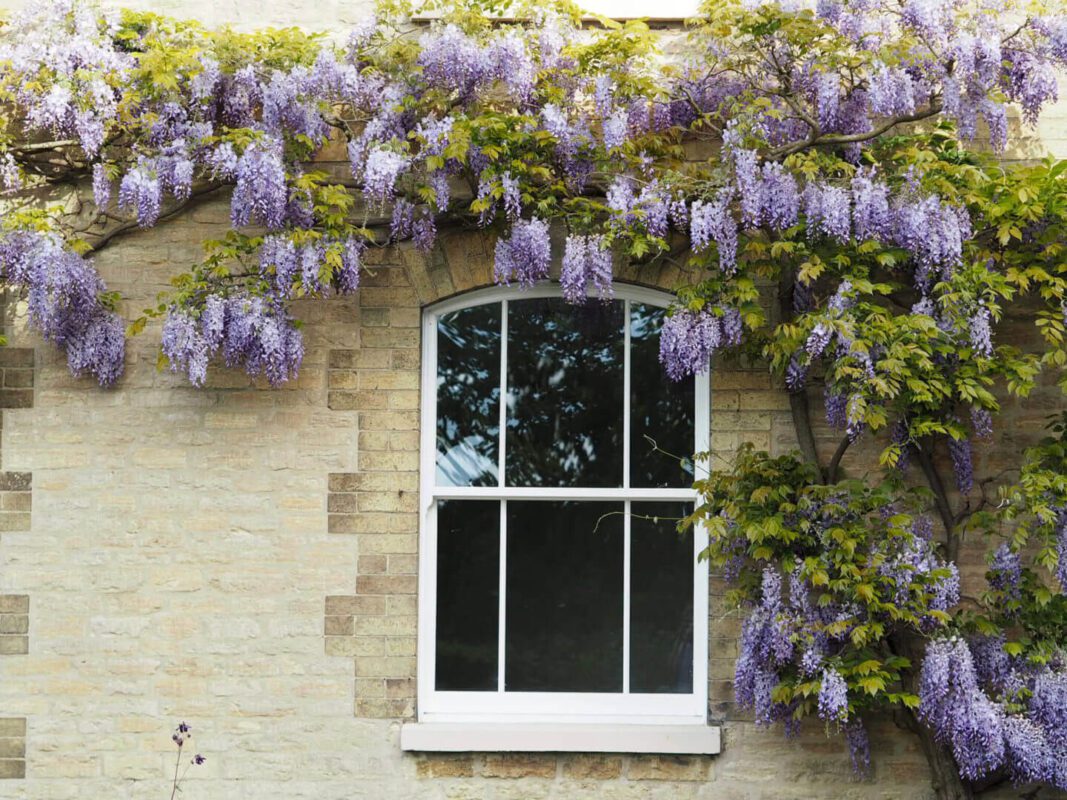
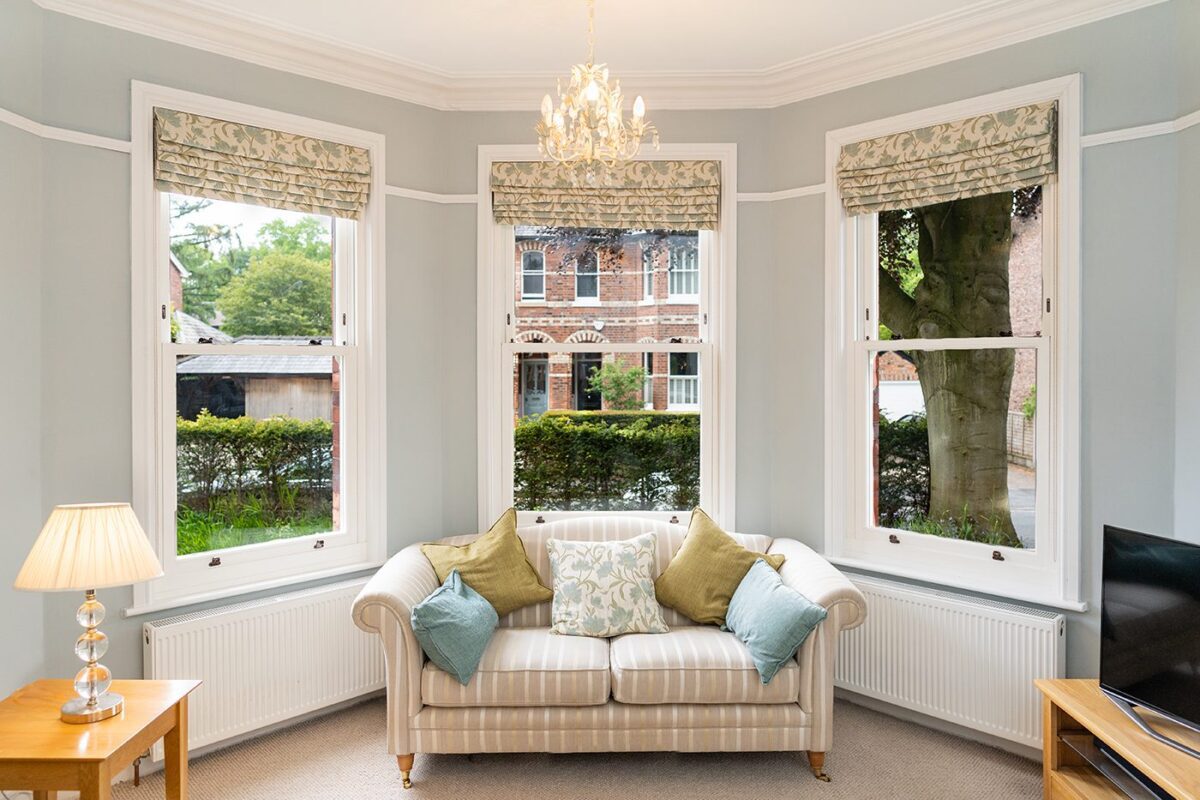
Preserving Architectural Integrity
Historically, replacing period windows meant installing flat, lifeless plastic frames that ruined the architectural integrity of the street. Today, our premium heritage range features ultra-slim profiles, authentic deep bottom rails, and run-through sash horns that are virtually indistinguishable from original wood.
To satisfy local conservation officers in areas like Altrincham or Stockport, every detail must mirror traditional 19th-century joinery.
Layout Style | Light Flow | Acoustic Privacy | Thermal Zoning | Visual Spatial Feel |
Open-Plan | Excellent | Poor (Echoes travel) | Poor (Hard to heat) | Vast / Uninterrupted |
Traditional Walls | Poor (Creates dark rooms) | Excellent | Excellent | Boxed-in / Smaller |
Broken-Plan (Steel Doors) | Excellent (Up to 90%) | Great (Dampens sound) | Excellent (Zone heating) | Spacious yet defined |
The Details That Matter
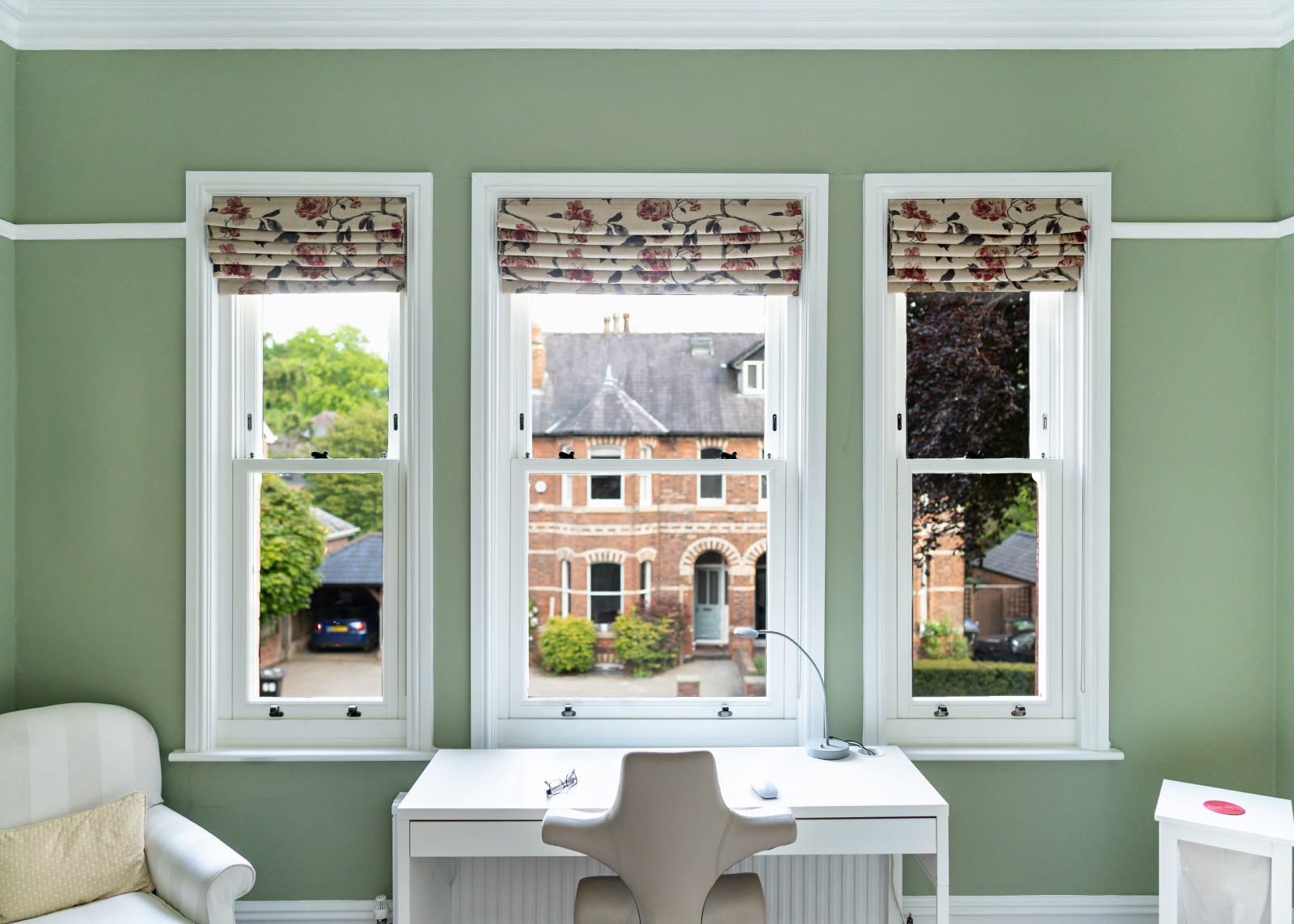
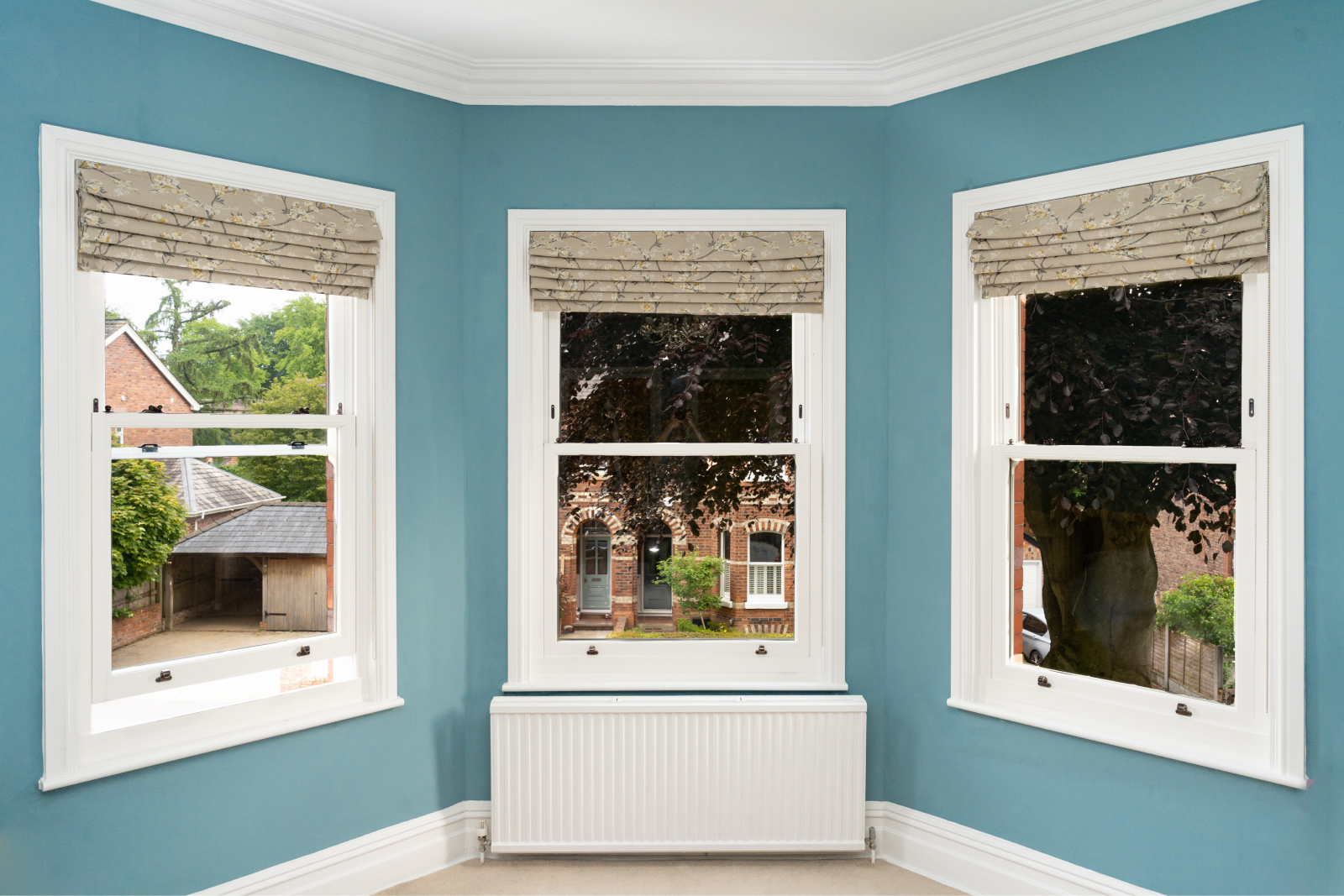
True luxury lies in the details. When investing in a heritage property, choosing the correct specifications ensures the windows enhance both the building’s history and its resale value.
1. Mechanical Joinery
Instead of the tell-tale diagonal welds found on mass-market uPVC, premium heritage sliders utilize vertical and horizontal mechanical joints. This replicates the traditional craftsmanship of real timber.
2. Putty-Line Styling
The external frames feature an angled profile that perfectly replicates the traditional putty glaze used by Victorian craftsmen, maintaining authentic exterior shadow lines.
3. Slimline Glazing Bars
Traditional astragal bars are fixed to the inside and outside of the high-performance glass pane. This allows you to create authentic multi-light configurations, such as the classic Victorian ‘two-over-two’ look.
Performance Meets Elegance
Pros | Cons |
Enhances the prestige and value of period homes | Higher initial investment than standard casements |
Eliminates drafts, rattles, and external street noise | Requires precise, specialized installation |
Tilting sashes allow for effortless cleaning from inside |
Pro Tip from our Installers:
“To fully complete a heritage restoration, the ironmongery is critical. Standard white or chrome plastic handles instantly break the period illusion. We always advise clients to select authentic hardware—such as acorn fasteners, sash eyes, and ring pulls in polished brass or antique bronze—to match the property’s original character.”
Are your original sash windows becoming difficult to operate, or are you looking to replace outdated, bulky frames with an authentic heritage slider?
How to Get in Touch
To request a free brochure, you can call us on 0161 976 4739, use our contact form or chat with us via the chat button at the bottom right of this website. If you live locally, you can also visit our Altrincham showroom, and check our contacts page for up-to-date opening hours.
We look forward to hearing from you!